Are You Truly Ready for Homeownership?
The initial step in the home buying process involves a thorough self-assessment of your financial readiness. Before you even begin house hunting, it is imperative to ascertain if your current financial standing supports the responsibilities of owning a home. This critical evaluation prevents future financial strain and ensures a smoother path to closing.Assessing Financial Stability and Income
A cornerstone of homeownership readiness is a stable income and consistent employment. Lenders scrutinize your employment history to gauge your ability to meet monthly mortgage obligations. If your income is variable, such as from commissions or business ownership, accumulating a substantial financial reserve, ideally **six to twelve months of living expenses**, becomes particularly vital. This safety net provides a buffer against income fluctuations, offering both personal security and reassurance to potential lenders.Understanding Your Debt-to-Income (DTI) Ratio
Your debt-to-income (DTI) ratio is a crucial metric that lenders use to assess your borrowing capacity. This ratio is calculated by dividing your total gross monthly debt payments by your gross monthly income. While individual circumstances vary, lenders generally prefer a DTI ratio of **36% or less** on a gross income basis. A higher DTI indicates a greater risk and could complicate mortgage underwriting, potentially leading to less favorable terms or even a denial. Actively managing and reducing existing debt prior to applying for a mortgage can significantly improve this ratio.The Power of Your Credit Score
A strong credit score is invaluable in the home buying process. It reflects your financial responsibility and directly influences the interest rates offered on your mortgage. Borrowers with excellent credit scores typically qualify for lower interest rates, which can translate into substantial savings over the life of a loan. Regularly monitoring your credit report for accuracy and actively working to improve your score through timely payments and managing credit utilization are proactive steps that yield significant benefits.Determining Your True Affordability
Knowing precisely how much house you can afford is paramount to avoid becoming “house poor”—a situation where housing costs consume an excessive portion of your income, leaving little for other necessities or savings. An accurate affordability assessment ensures comfortable living and financial flexibility after purchasing a home. It involves looking beyond the simple sticker price of a house.The 30% Rule: A Golden Guideline
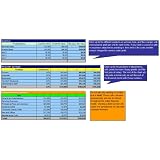
A widely recommended guideline is to allocate no more than **30% of your net monthly income** to all housing-related expenses. This comprehensive figure includes not just the principal and interest of your mortgage, but also property taxes, homeowner’s insurance (PITI), potential homeowners’ association (HOA) fees, and estimated utility costs. Neglecting to account for all these components can lead to an underestimation of true housing costs, potentially jeopardizing your financial stability. Utilizing specialized affordability tools or spreadsheets can provide a clearer picture based on your specific financial situation.Navigating Down Payments and Closing Costs
Accumulating funds for your down payment and closing costs represents a significant financial hurdle for many aspiring homeowners. These are distinct yet equally important financial commitments required at the time of purchase. Strategic saving and an understanding of these costs are essential for a smooth transaction.Deciphering Down Payments
A down payment is the initial sum of money you pay upfront towards the purchase of a home, with a mortgage covering the remaining balance. While it is possible to put down anywhere from **0% to 100%**, typical conventional mortgages often require a down payment between **3% and 20%**. Loans such as VA or USDA mortgages may allow 0% down for eligible borrowers. Crucially, a **20% down payment** on a conventional loan often enables you to avoid Private Mortgage Insurance (PMI), which is an additional monthly cost designed to protect the lender if you default.Understanding Closing Costs
In addition to the down payment, buyers are responsible for closing costs, which encompass various fees associated with finalizing the mortgage and real estate transaction. These fees typically range from **1% to 6% of the home’s value**. Common closing costs include appraisal fees, title insurance, loan origination fees, legal fees, recording fees, and escrow deposits. A prudent approach involves setting aside approximately **3% of the home’s value** specifically for these costs, ensuring you are adequately prepared for the expenses due at settlement.Securing Mortgage Pre-Approval
Obtaining a mortgage pre-approval is a pivotal step that streamlines the home buying process and strengthens your position as a buyer. This formal commitment from a lender indicates how much you are qualified to borrow, providing a clear financial framework for your search. The distinction between pre-qualification and pre-approval is significant, with pre-approval offering a more substantial commitment.The Strategic Advantage of Pre-Approval
A pre-approval letter provides several key benefits. It clarifies your maximum affordable price range, enabling more focused house hunting and preventing time wasted on properties outside your budget. Furthermore, presenting a pre-approval letter with your offer signals to sellers that you are a serious and qualified buyer, which can be a decisive factor in competitive markets. This readiness often translates into quicker negotiations and a faster path to closing, making your offer more appealing than those from buyers without pre-approval.Partnering with a Real Estate Agent
For many, especially first-time home buyers, working with a skilled real estate agent or Realtor is indispensable. These professionals serve as your advocate and guide through the complexities of the market, offering expertise in negotiation, market analysis, and contractual intricacies. Their insights can prove invaluable in avoiding common pitfalls.The Role of Your Trusted Advisor
A reputable real estate agent does far more than just open doors to properties. They offer deep local market knowledge, help interpret property listings, assist in crafting competitive offers, and skillfully negotiate on your behalf. Their experience ensures all legal documentation is accurate and protects your interests throughout the transaction. Importantly, in most residential transactions, the buyer’s agent’s commission is paid by the seller, meaning their expert services often come at no direct cost to you. Carefully selecting an agent with a strong track record and excellent communication skills is crucial for a successful partnership.Embarking on Your House Hunt
With your finances in order and an agent by your side, the exciting phase of house hunting begins. This stage requires clear communication, a pragmatic approach, and a strategic methodology to identify properties that meet both your essential needs and desired wants. Effective preparation for this search can save considerable time and minimize potential disagreements.Establishing Clear Criteria and Priorities
Before viewing properties, meticulously define your non-negotiable needs (e.g., number of bedrooms, location, school district) versus your preferred wants (e.g., swimming pool, specific architectural style). If buying with a partner, align on these priorities early to prevent contention. Ranking these criteria from highest to lowest priority provides your real estate agent with precise parameters for their search, ensuring they present listings that genuinely match your requirements.Utilizing Price Per Square Foot for Comparison
An effective strategy for evaluating property value involves analyzing the price per square foot. This metric allows for a direct comparison of similarly sized homes in comparable neighborhoods, helping you discern fair market value. For instance, if two houses with similar amenities are priced differently per square foot, understanding the underlying reasons for that discrepancy—such as recent renovations, lot size, or neighborhood desirability—can inform your decision-making. While not the sole factor, it provides a valuable baseline for assessing whether a property is priced competitively.Crafting and Negotiating Your Offer
Once you identify the perfect home, the next critical step is to submit a compelling offer. This process involves more than just stating a price; it includes various terms and conditions that can influence the seller’s decision. Strategic offer construction and skilled negotiation are key to securing your desired property.Submitting a Formal Written Offer
All elements of your offer, from the purchase price to specific contingencies, must be documented in writing. This legal document outlines your proposed terms, including the financing type, desired closing date, and any items you wish to include or exclude from the sale. Remember that nearly everything is negotiable, from appliances to minor repairs. Clearly outlining these details upfront prevents misunderstandings and serves as a binding agreement upon acceptance.The Role of Earnest Money
Earnest money is a good-faith deposit submitted with your offer, demonstrating your serious intent to purchase the property. Typically a few thousand dollars, this money is held in an escrow account and is usually applied toward your down payment or closing costs at settlement. However, if you withdraw from the deal for reasons not covered by a contractual contingency, you risk forfeiting this deposit. It serves as a commitment to the seller that you are a reliable buyer.Leveraging a Personal Cover Letter
In competitive markets, a personal cover letter accompanying your offer can sometimes tip the scales in your favor. Sharing a brief, heartfelt story about why you love the home and neighborhood can create an emotional connection with the sellers, particularly if the home has sentimental value to them. While not a substitute for a strong financial offer, a well-crafted letter can differentiate you from other buyers, potentially influencing a seller to choose your offer even if it’s not the absolute highest.Inspection and Appraisal: Due Diligence
After your offer is accepted, the property enters a due diligence phase, involving a home inspection and an appraisal. These two distinct processes are vital for protecting your investment and ensuring you are paying a fair price for a sound property. Contingencies for these reports are crucial components of your offer.The Comprehensive Home Inspection
A professional home inspection involves a thorough evaluation of the property’s physical condition by a certified inspector. This expert examines everything from the roof and foundation to plumbing, electrical systems, and HVAC units, identifying any defects, safety hazards, or potential issues. The inspection report provides a detailed overview of the home’s condition, highlighting necessary repairs or maintenance concerns. This information serves as ammunition for further negotiation with the seller regarding repairs or credits.The Objective Appraisal
Concurrently, a certified appraiser assesses the market value of the home. The appraisal is primarily for the lender’s benefit, ensuring that the property’s value justifies the loan amount. Appraisers analyze comparable sales in the area, the home’s features, condition, and location to determine an objective value. If the appraisal comes in lower than the agreed-upon purchase price, it can impact your financing. In such cases, you may need to negotiate a lower price with the seller, make up the difference in cash, or potentially walk away from the deal if an appraisal contingency is in place.Addressing Repairs and Credits
The findings from the home inspection and appraisal provide crucial insights that can lead to further negotiation with the seller. This stage allows you to address any significant issues uncovered, ensuring you purchase a home that meets your expectations and is safe. Strategic communication is key during this delicate phase.Negotiating Post-Inspection Discoveries
Based on the inspection report, you have several options for addressing identified problems. You can request the seller to make the necessary repairs before closing, ask for a credit at closing to cover the cost of repairs you will undertake, or negotiate a reduction in the purchase price. The choice depends on the severity of the issues, the local market conditions, and the seller’s willingness to negotiate. Prioritizing major structural or safety concerns is generally advisable, while minor cosmetic issues might be overlooked to keep the deal moving forward.The Final Walk-Through
As closing day approaches, the final walk-through is your last opportunity to inspect the property before taking ownership. This critical step ensures that the home is in the condition agreed upon in the contract and that all negotiated repairs have been completed. This is your chance to confirm everything is as it should be.Ensuring Contractual Compliance
During the final walk-through, verify that the sellers have removed all their personal belongings, unless otherwise negotiated. Critically, confirm that all repairs agreed upon during previous negotiations have been completed to your satisfaction. Look for any new damage that may have occurred during the moving process. Taking before-and-after photos of areas that required repairs can be helpful. Additionally, have the seller demonstrate the functionality of important systems or unique features, such as alarm systems, smart home devices, or specific appliances, to avoid confusion after possession.Concluding with Confidence: The Closing
The culmination of your home buying journey is the closing, where all legal and financial documents are signed, and ownership officially transfers. This final step formalizes your new status as a homeowner. Preparedness and careful review of documents are essential for a smooth conclusion.Reviewing Your Closing Disclosure and Settlement Statement
Prior to closing, your lending institution will provide a Closing Disclosure, typically **two to four days** before the closing date. This document meticulously outlines all the final terms of your loan, including interest rates, monthly payments, and all closing costs. It is imperative to compare this disclosure with your initial Loan Estimate to ensure consistency and accuracy. At the closing table, you will sign numerous documents, including the Promissory Note (your promise to repay the loan) and the Deed of Trust/Mortgage (the legal document securing the loan against the property). The Settlement Statement (sometimes called an ALTA or HUD-1 statement) provides a comprehensive breakdown of all charges and credits for both buyer and seller. Review every line item carefully to confirm accuracy and ensure all figures balance out. Buying a house is undeniably a major responsibility, extending far beyond the initial purchase price to encompass ongoing maintenance and potential repairs. Unlike renting, where landlords handle most issues, homeownership means you are responsible for everything from HVAC failures to roof damage. Consequently, a dedicated maintenance fund is a wise financial strategy. While it represents a significant financial commitment, owning a home offers immense pride and the opportunity to build long-term wealth and stability for your family.Your Blueprint to Homeownership: Q&A
How can I tell if I’m financially ready to buy a house?
You should assess your financial stability by reviewing your stable income, debt-to-income (DTI) ratio, and credit score. A common guideline is to allocate no more than 30% of your net monthly income to all housing-related expenses.
What is a down payment and how much do I typically need?
A down payment is the initial sum of money you pay upfront towards the home’s purchase. Typical conventional mortgages often require between 3% and 20% of the home’s value, though some loans may allow 0% down.
What are closing costs?
Closing costs are various fees associated with finalizing your mortgage and the real estate transaction. These fees typically range from 1% to 6% of the home’s value and are paid at settlement.
Why is getting mortgage pre-approval important?
Mortgage pre-approval clarifies your maximum affordable price range, preventing you from looking at homes outside your budget. It also signals to sellers that you are a serious and qualified buyer, strengthening your offer.
What does a real estate agent do for a home buyer?
A real estate agent acts as your advisor, offering local market knowledge, helping craft competitive offers, and negotiating on your behalf. Their services typically come at no direct cost to the buyer, as their commission is usually paid by the seller.